Digitelling: Wanderlust. Travelling with Felix the Rabbit
An exhibition by the LWL-Museums für Kunst und Kultur in Münster (March 28, 2026 – January 3, 2027)
Pack your rucksack and set off!
You’ll hear different languages and discover many new things on your trip. And every location will tell its own story. With wide-open eyes, you’ll discover a wealth of interesting things that are sure to expend your perception of the world.
The Wanderlust — Travelling with Felix the Rabbit exhibition features several theme rooms that provide information on various locations and help you understand why these places deserve protection.
Have fun on your trip!
“Hello, environment! Here I am!”
The environment is the air we breathe, the water we drink, the animals living in the forest, and the hustle and bustle of the cities. It’s everywhere around us, at home and on every journey. That’s why it’s so important and must be protected.
But how do you travel and get to distant locations?
Side Note: Means of Transportation
Hop, hop!
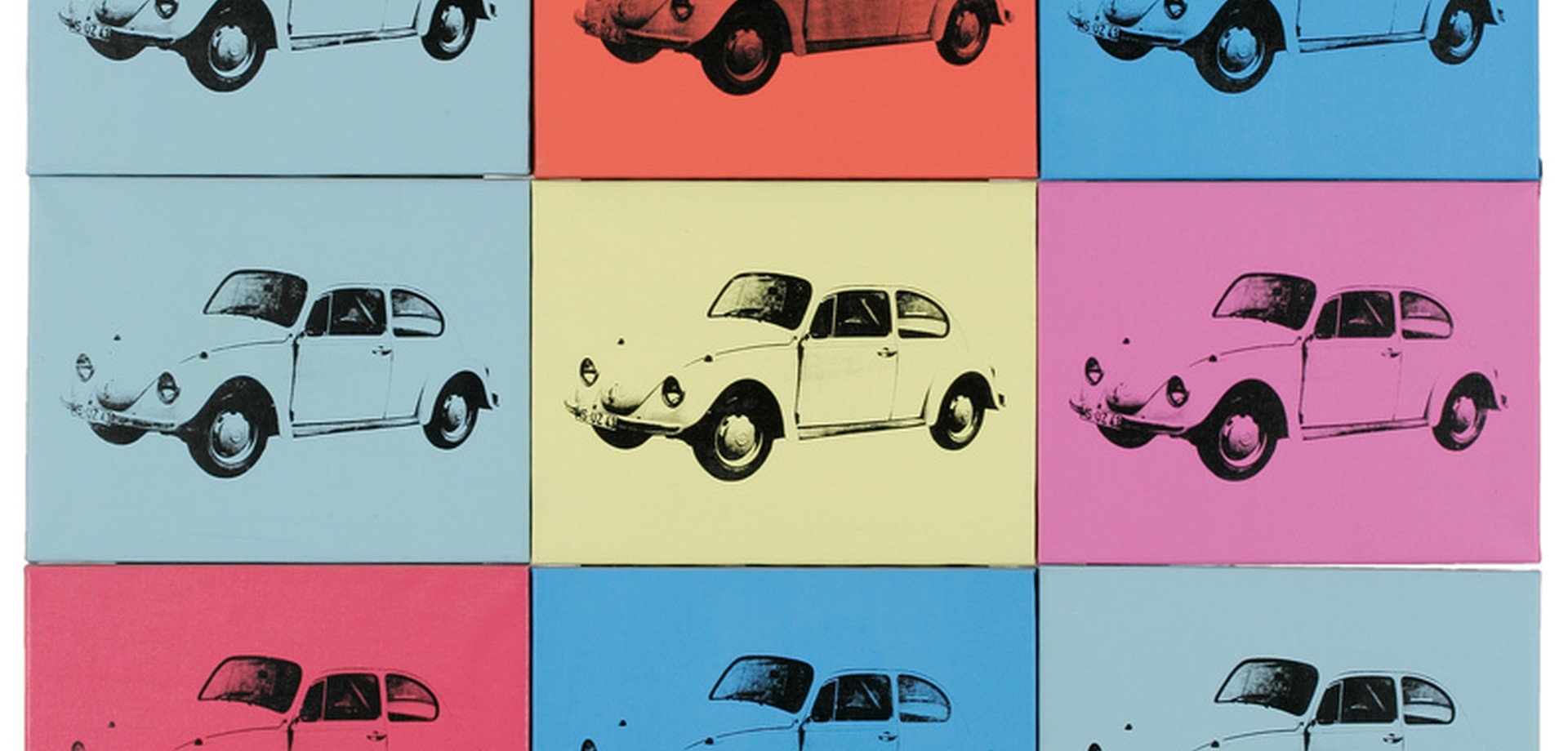
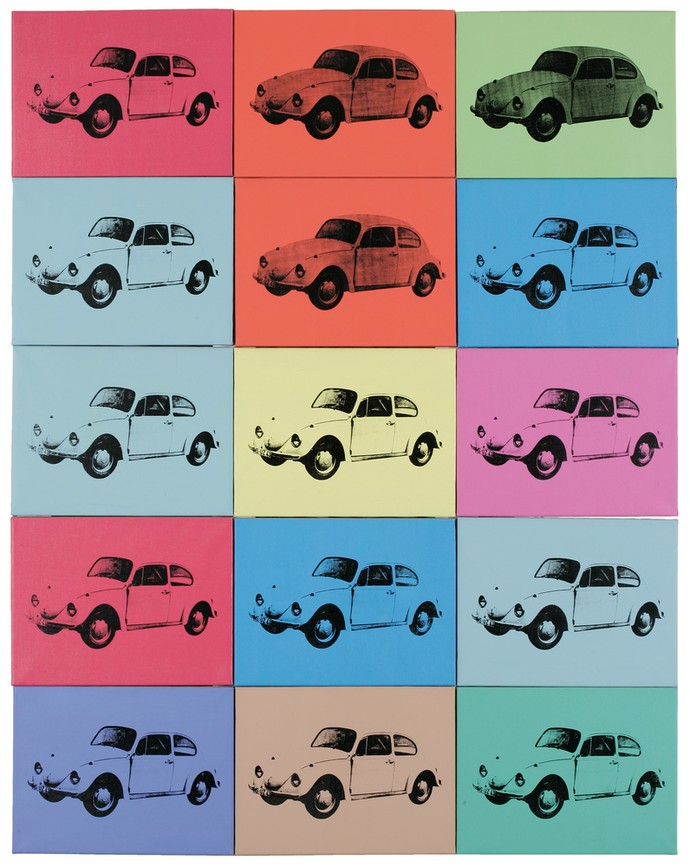
There are many ways to get to distant places. For example hopping on a train and travelling with lots of people, or using a car to reach even the most remote locations. However, cars take up a lot of space on roads and in car parks, and they require more energy than a train. Alternatively, you could board a plane and fly to a faraway country. The world looks very different from above as you discover tiny houses, long rivers and white clouds beneath you. Flying is exciting, but it also requires a lot of energy and is often expensive. Another possibility is to travel by boat, which takes longer, but enables you to enjoy the sea wind and the view of water all the way to the horizon.
Though every mode of transport has its own advantages, some take up more space, energy or time than others. That’s why it’s important to choose your mode of transport carefully.
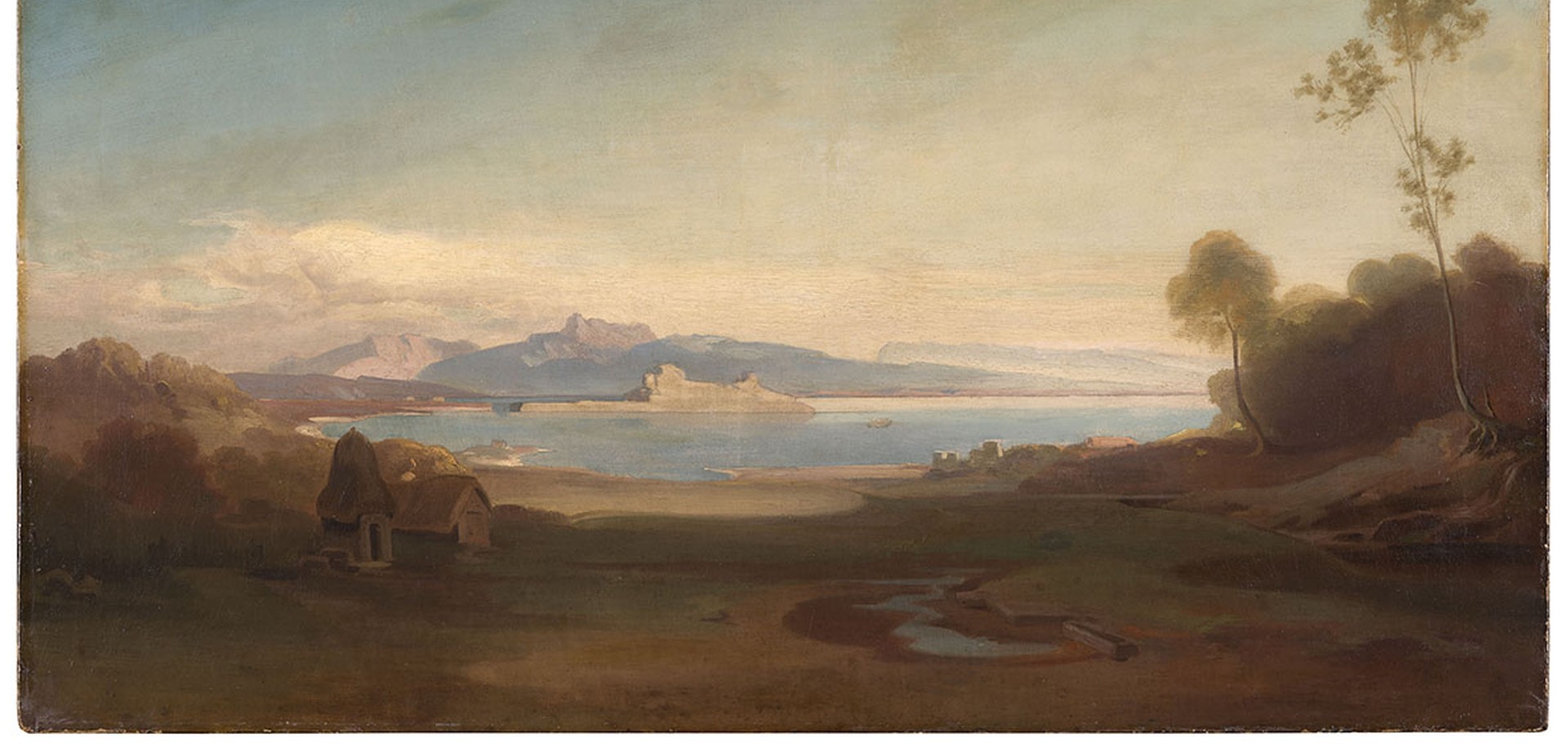
Call of the sea

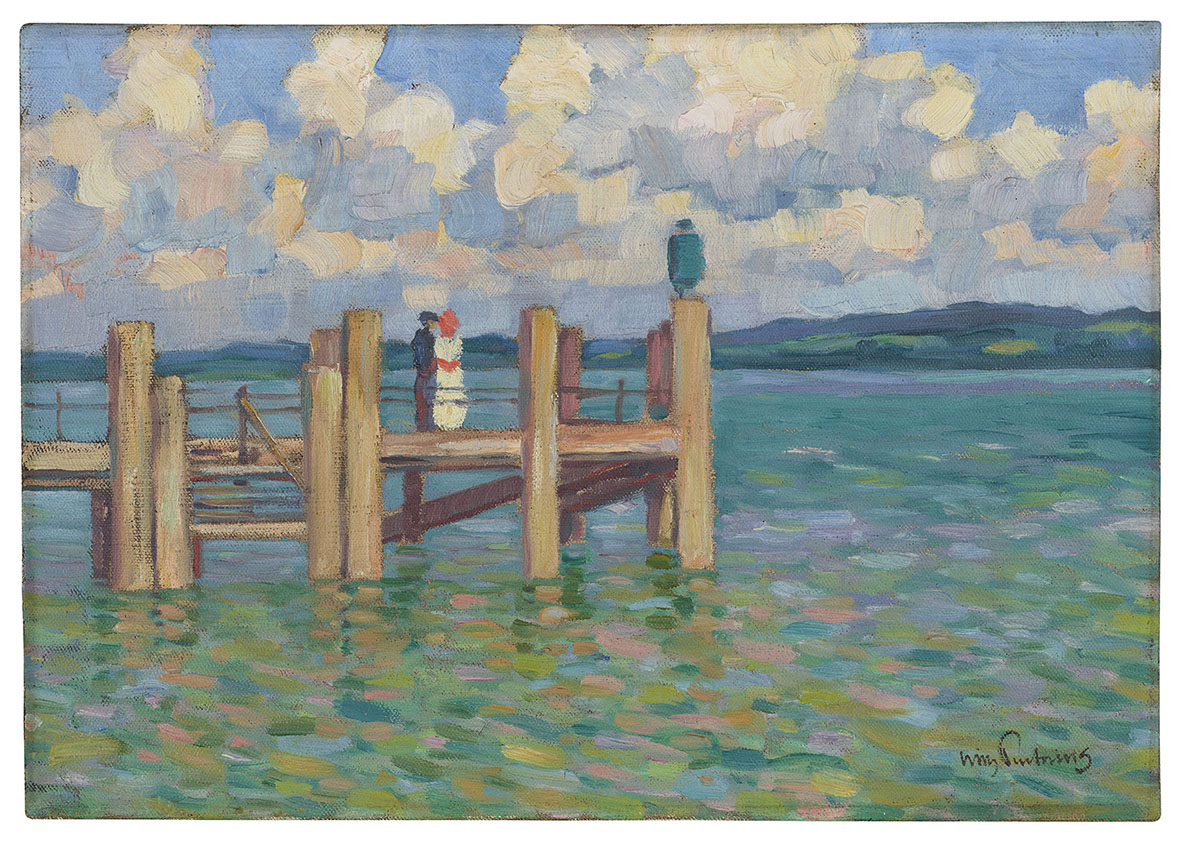
A summer day
Imagine yourself sitting on a jetty with your feet in the cool water of a lake and gazing across to the opposite shore. Maybe your friends or family are waiting for you nearby. You’re about to set out with them on pedal boats, eating ice creams. Lake Ammersee, located in Bavaria, invites you to enjoy such a summer day by the water.
“Water is the source of all life”
Freshwater means life, as human beings, animals and plants alike need it to drink, grow and survive. Seawater is just as important, as it cools the Earth, affects the weather and provides homes for countless living creatures. Rivers and seas connect everything on our planet. Unpolluted water is a requirement for good health and life in general.
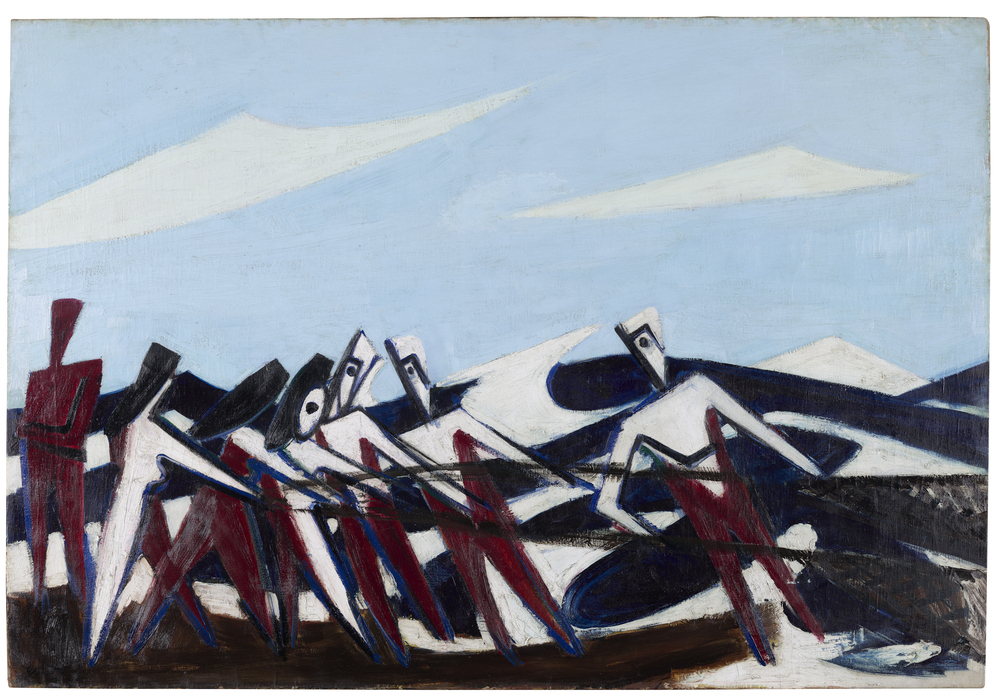
Wild waves
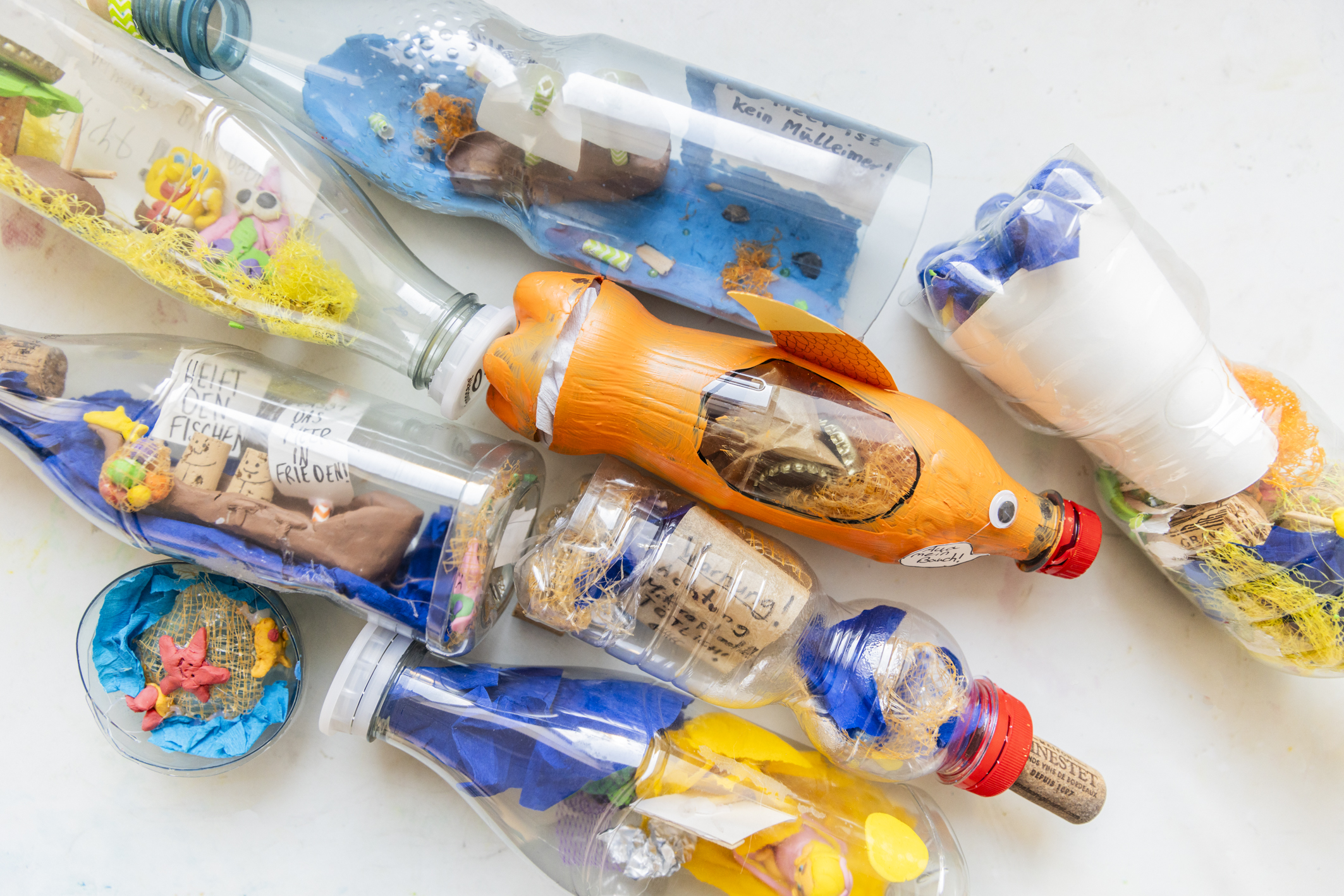
In this picture, fishermen are trying to pull a heavy net ashore, working against the strong waves that are holding the net in the sea. Do you think they’ll succeed? They’re working hard, hoping their net is full of fish — for them and their families to eat and for selling at the market. But sometimes there’s only rubbish in fishing nets.
Did you know that a large proportion of the rubbish in the sea consists of lost fishing nets? Most of these “ghost nets” were lost accidentally.


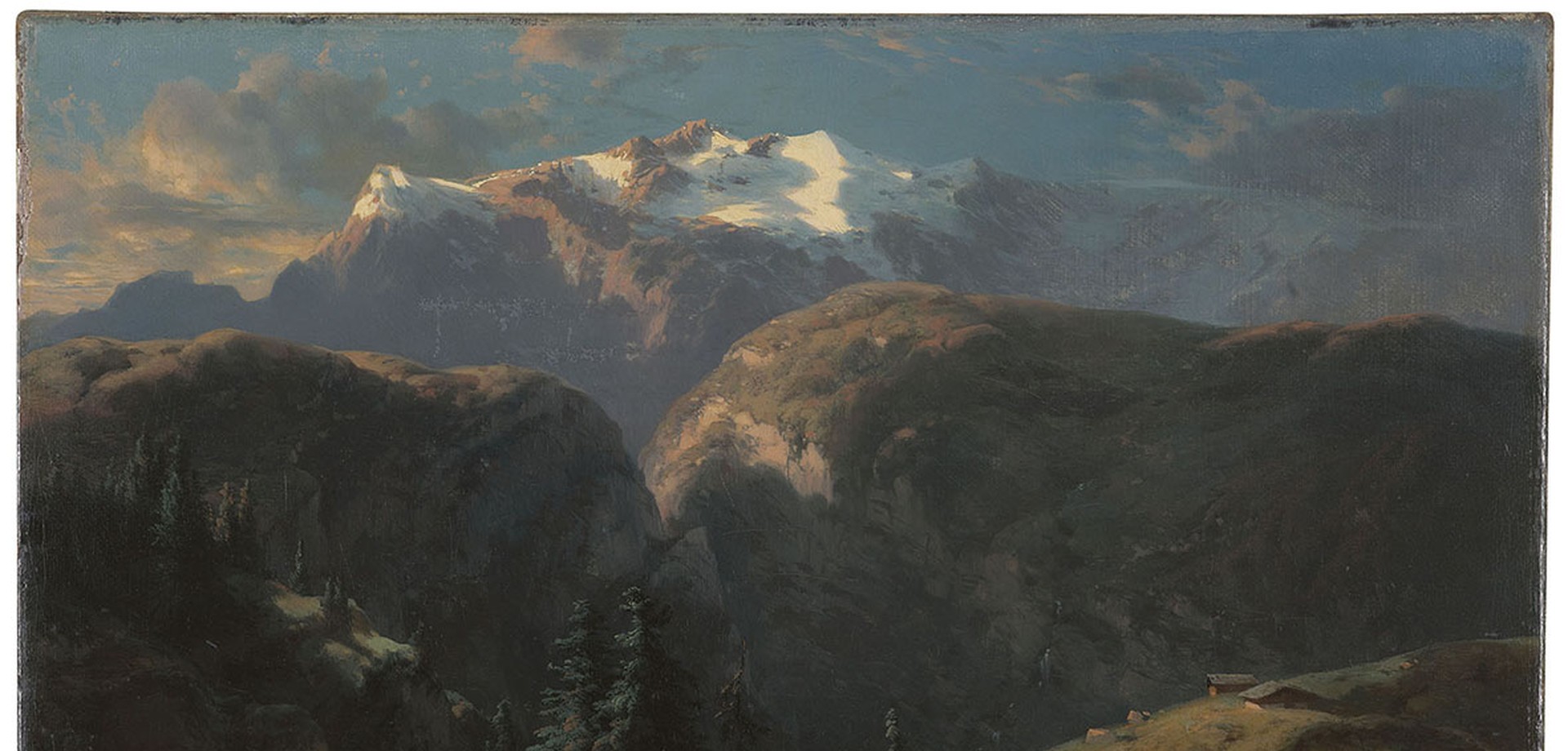
The mountains are calling!
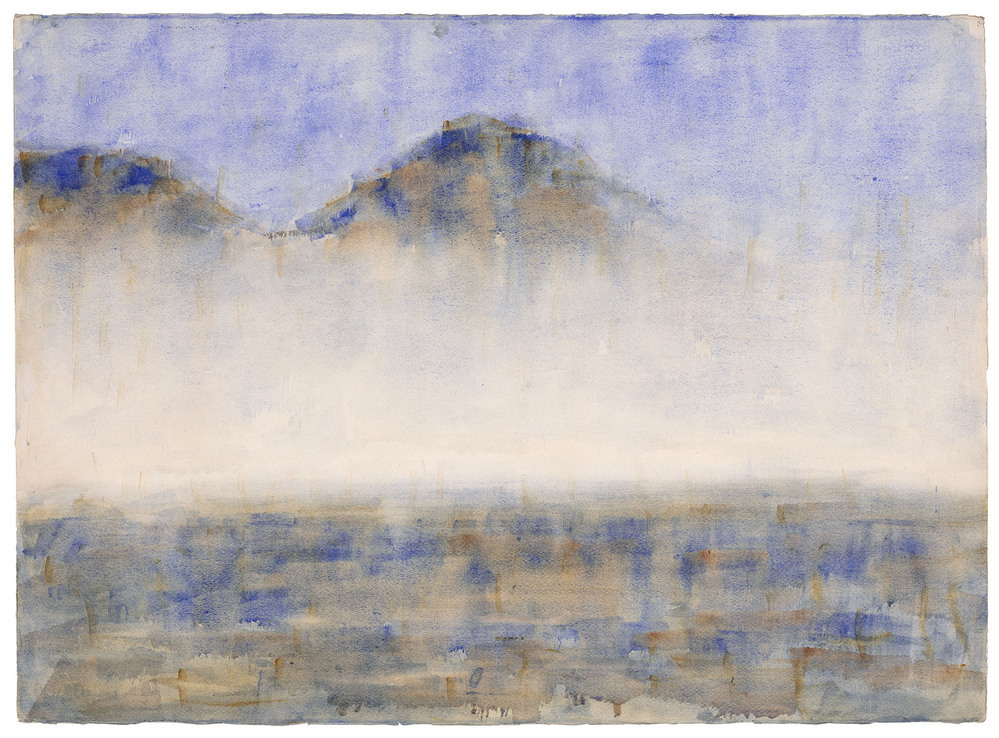
High mountains and deep valleys
Now we’re going on a hike through deep valleys and up high mountains. It’s quite a workout — we’re panting and huffing. But the view is breathtaking once we reach the summit.
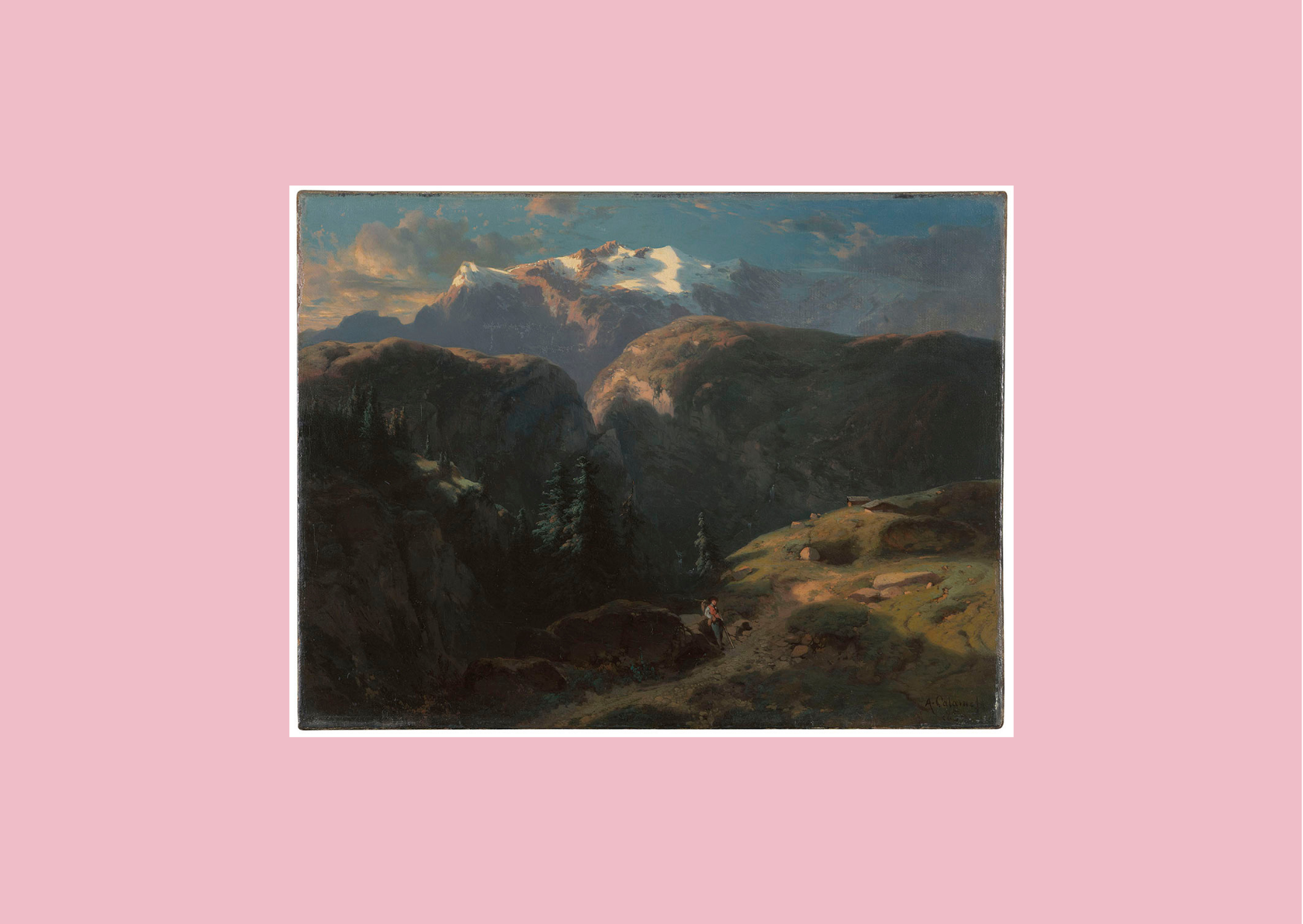
When you’re on holiday in the mountains, your hike usually starts in the early morning.
Take a close look at this work by the Swiss painter Alexandre Calame, with a snow-covered mountain in the background. What a wonderful view of the Wetterhorn, a peak in the Swiss Alps! Meta Brevoort, an exceptionally skilled mountaineer, was the first person who dared to climb the Wetterhorn in winter, back in 1847. Brrrr… It must have been absolutely freezing cold at the summit!
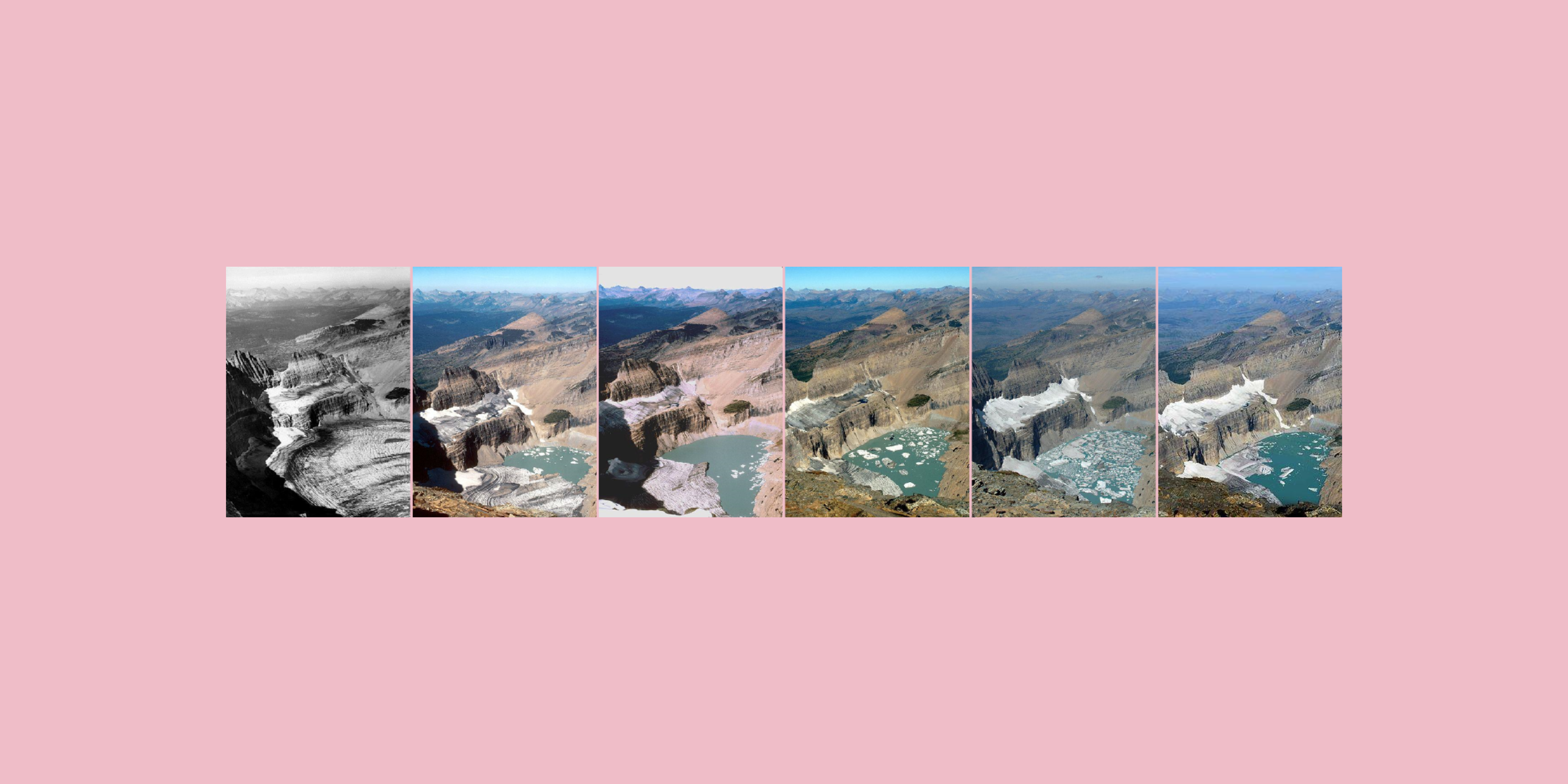
Facts about glaciers
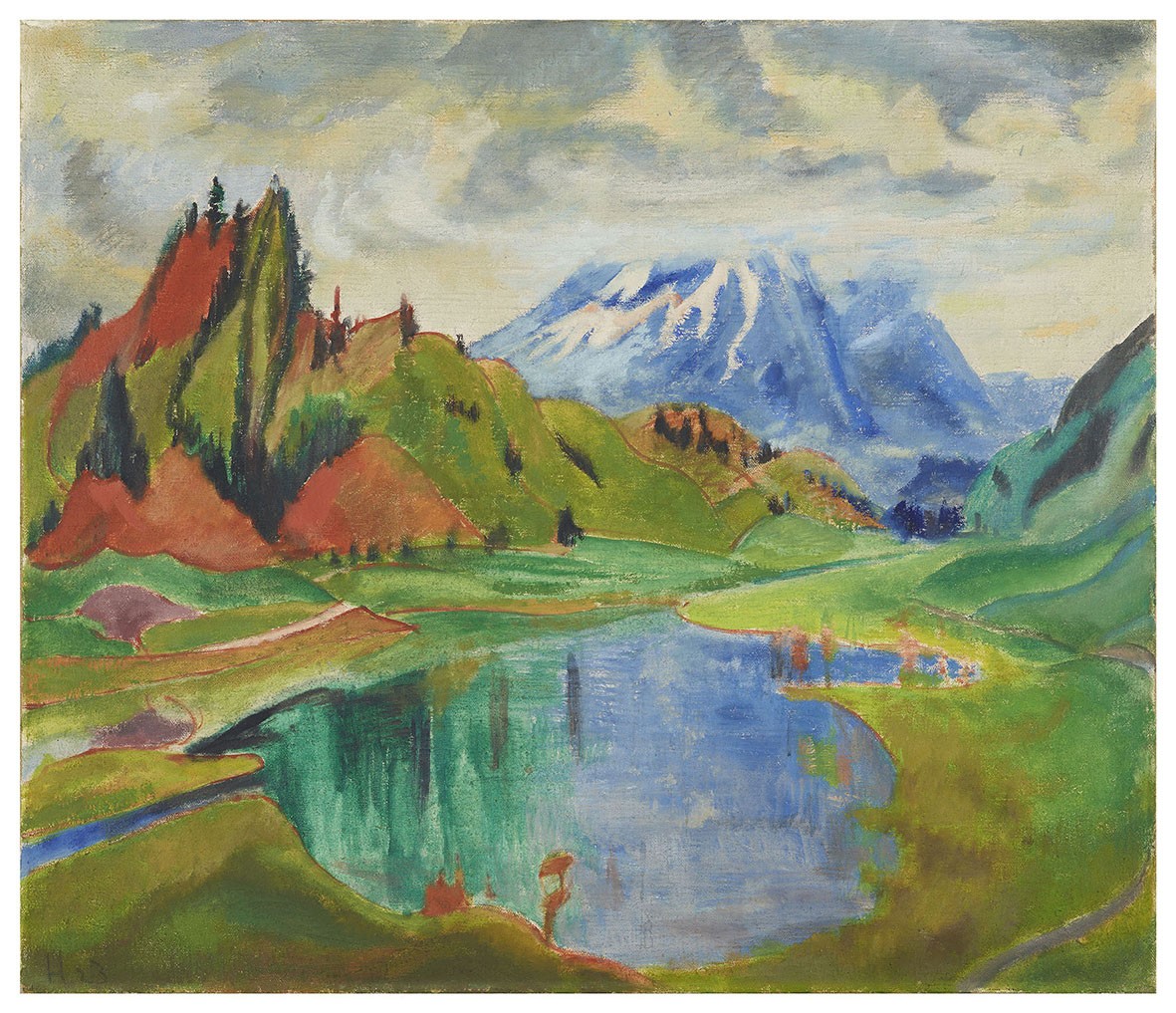

Side Note: Climate Change
“Climate change” refers to the progressive alteration of the weather and the increase of temperatures on Earth. It's caused by the burning of coal, oil and gas to generate electricity, and to fuel cars and heat buildings around the world. This causes ice to melt, the sea level to rise, and some days to be hotter or wetter than in the past. Plants, animals and human beings have to adapt to the new climate conditions.
Get involved in environmental protection!
You can help slow down global warming: switch off lights when you don’t need them; walk or ride your bicycle whenever you can; keep using you things for as long as you can instead of throwing them away, and share them with others. Every little step counts when it comes to save the planet.
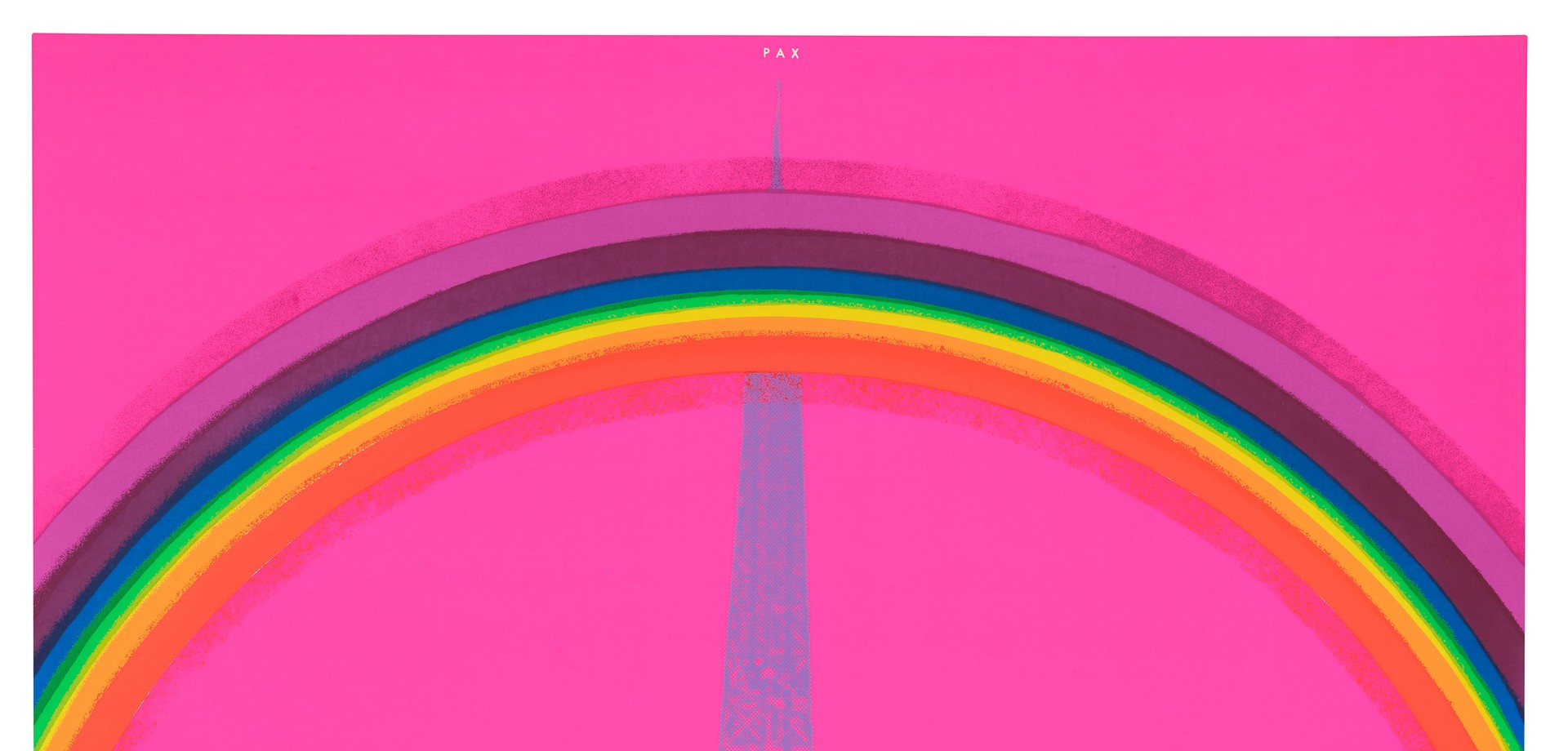
So much to discover!



Side note: Not everyone can travel
Travelling seems to be easy: you just need to pack your rucksack, hop on a train, in a car or onto a plane, and off you go!
But not everyone can travel. Some people have little money, others must look after relatives or animals, and some are not allowed to leave their home country. For all these people, travelling remains a dream.
Travelling requires time, money and safety. Not every family can meet these requirements. As a result, some children only know their hometown or village. That’s not a bad thing, but it’s different. Those who travel meet other people and discover new locations and many new things.
When you’re travelling, remember these facts and appreciate your good fortune. And stay curious, for travelling opens doors.
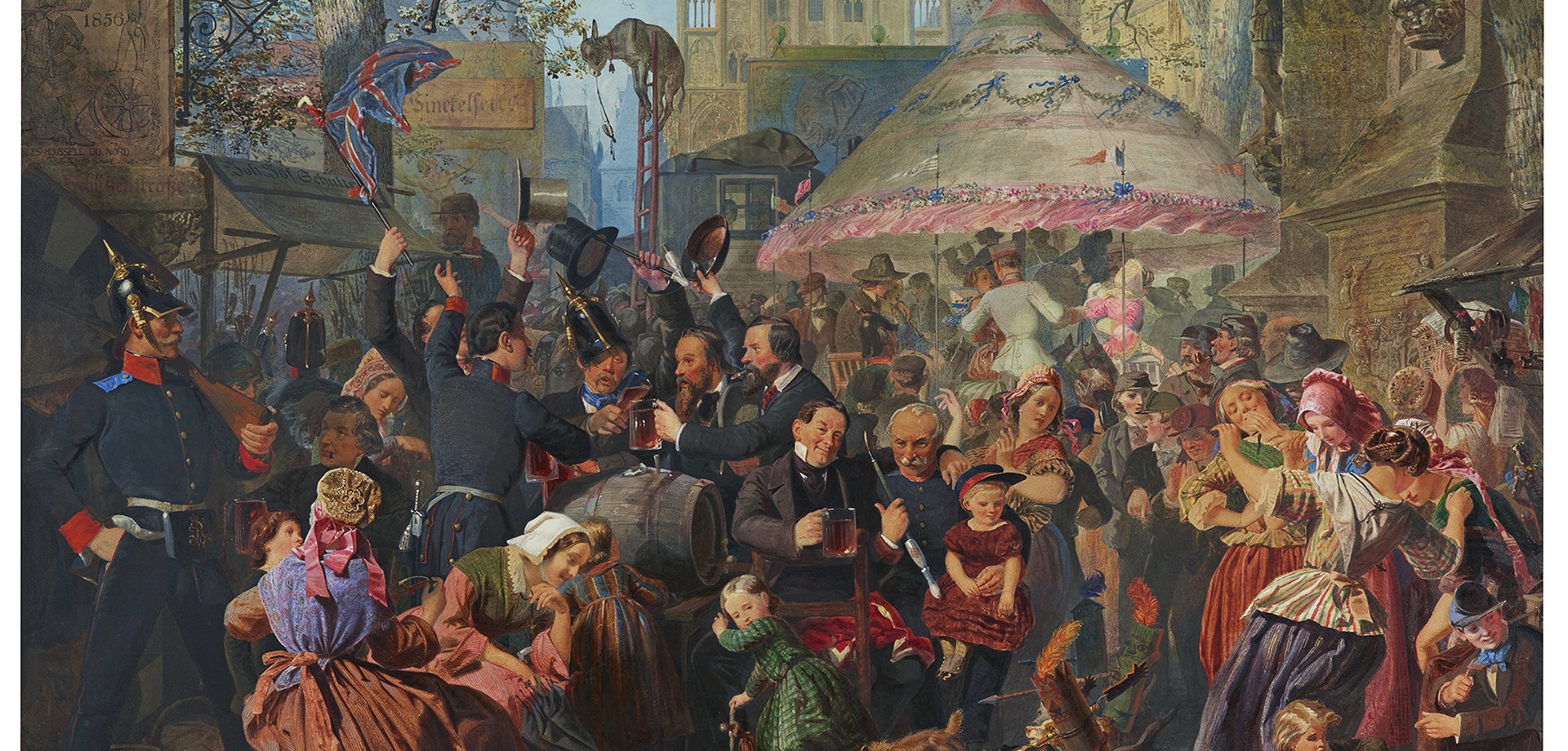
Popular, crowded, too much?
Beautiful locations worth visiting are scattered all over the world.
But some are so famous that crowds flock there. When too many people visit a city at the same time, the streets are soon overcrowded. And when too many tourists hike in a natural setting, they damage the walking paths and often spoil the environment with rubbish.
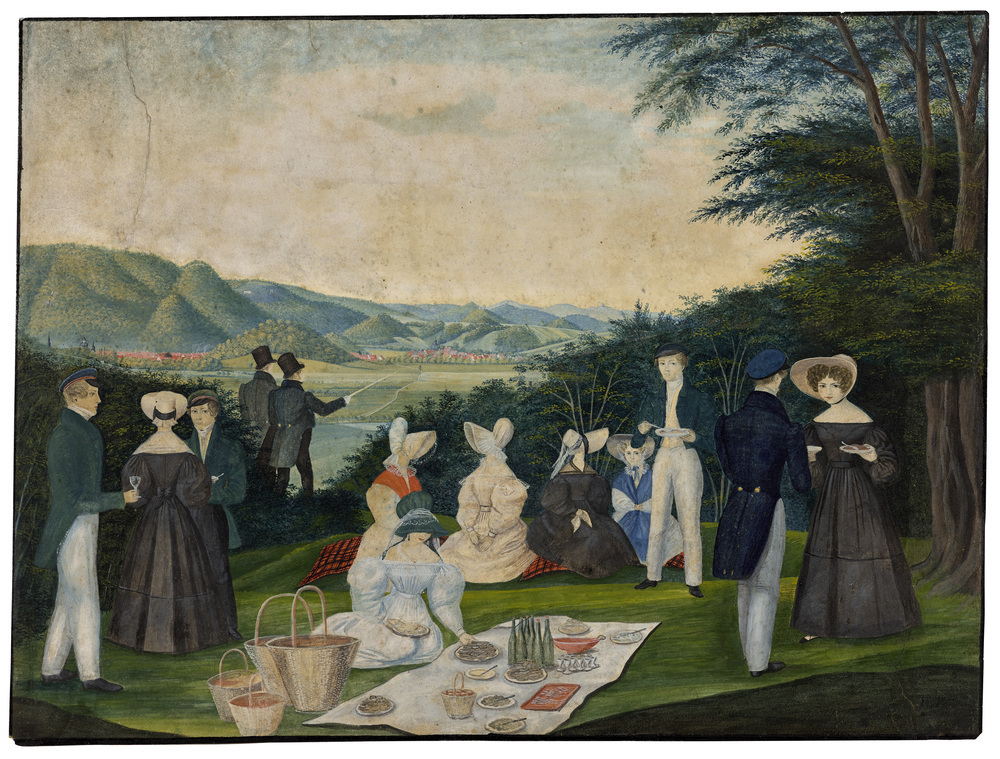
The expression “mass tourism" refers to such overcrowded locations.
All these tourists need facilities where they can sleep, eat and shop. Centuries-old buildings are transformed to accommodate holiday flats; traditional shops close down, or switch to selling nothing but tourist souvenirs. The cost of living for the local population rises and neighbourhood networks disappear. In cities affected by mass tourism, you get the impression that everything is geared toward meeting the needs of a single group of people: the tourists.
Furthermore, mass tourism impairs the urban natural environment: crowds damage the lawns, boats on the river that flows through a scenic city disturb the aquatic animals, plants can hardly regenerate and the urban fauna is constantly disturbed by the noise.
At the same time, tourists are constantly on the move and annoyed by the long queues to access museums and attractions, while the unending hustle and bustle spoils their pleasure of relaxing in a cool café or eating in a fine restaurant. The entire city becomes nothing but a backdrop to the activities of tourists.
Travelling certainly brings people together, but mass tourism can definitely ruin the pleasure of travelling.
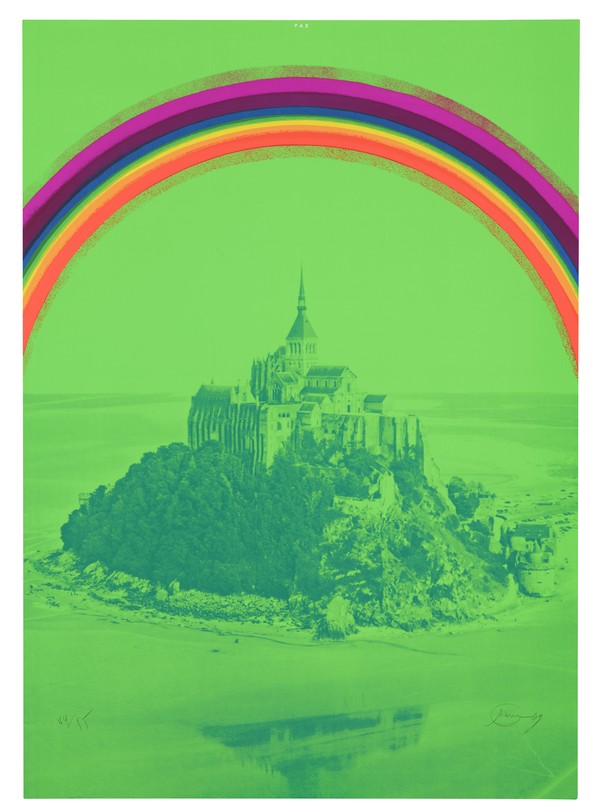
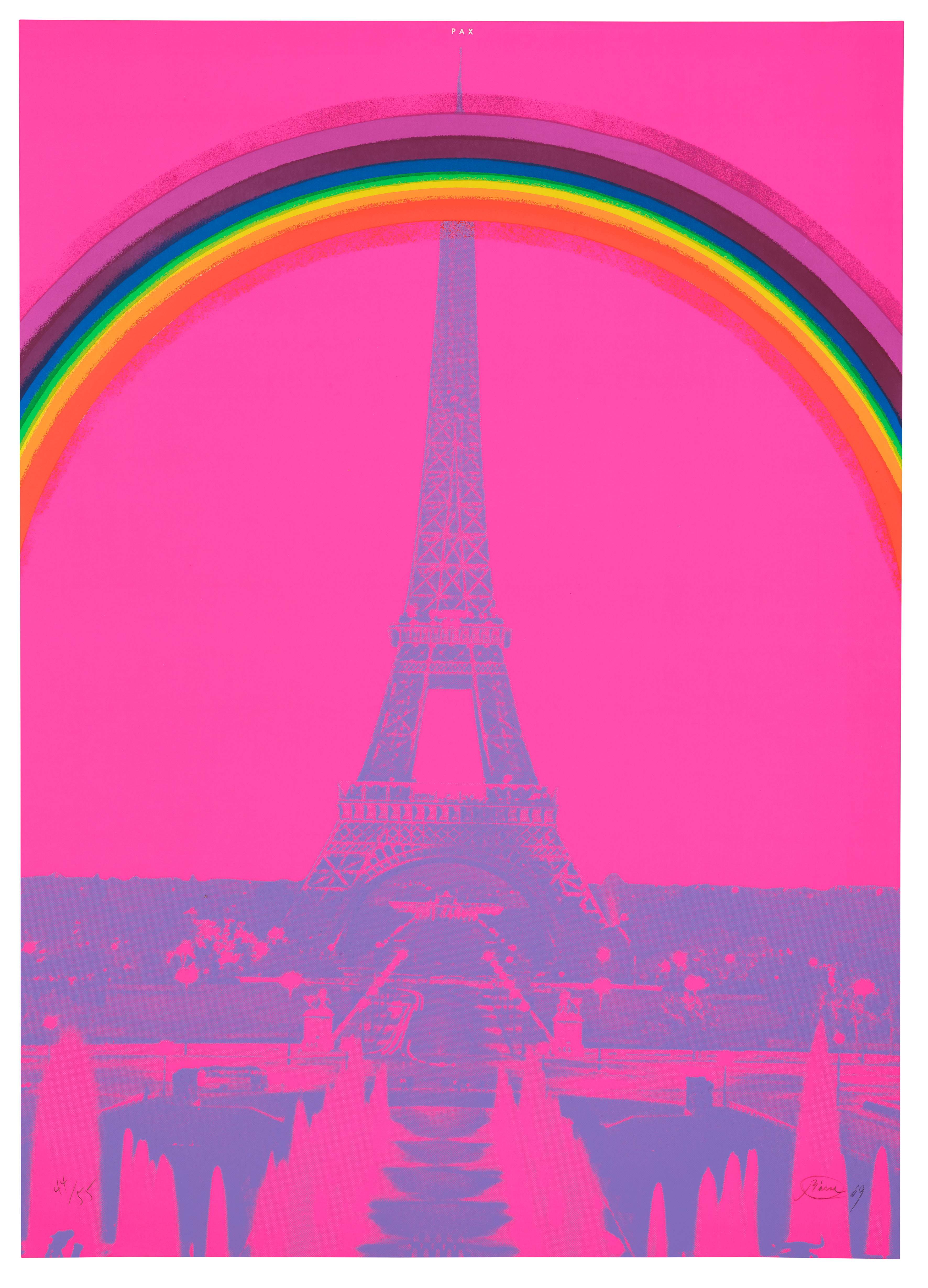
Beneath the rainbow added to this painting by Otto Piene you can see a very special building complex atop a small island: Mont Saint-Michel, in Normandy. Travelling there transports you to a fairy tale. The large medieval abbey looks as though it juts directly out of the sea. When the tide is out, you can walk to the island across the sand, but at high tide Mont Saint-Michel is completely cut off from the continent. Once you reach the island, you walk up narrow streets that offer panoramic views of the surrounding sea — and you can feel the magic of Mont Saint-Michel.
However, the exceptional character of the location attracts tourists en masse, and the crowds generate long queues with continuous pushing and shoving. The animals and plants on and around the island also suffer under mass tourism. For all these reasons, tourists visiting Mont Saint-Michel should exercise caution and care, with the environment in mind.
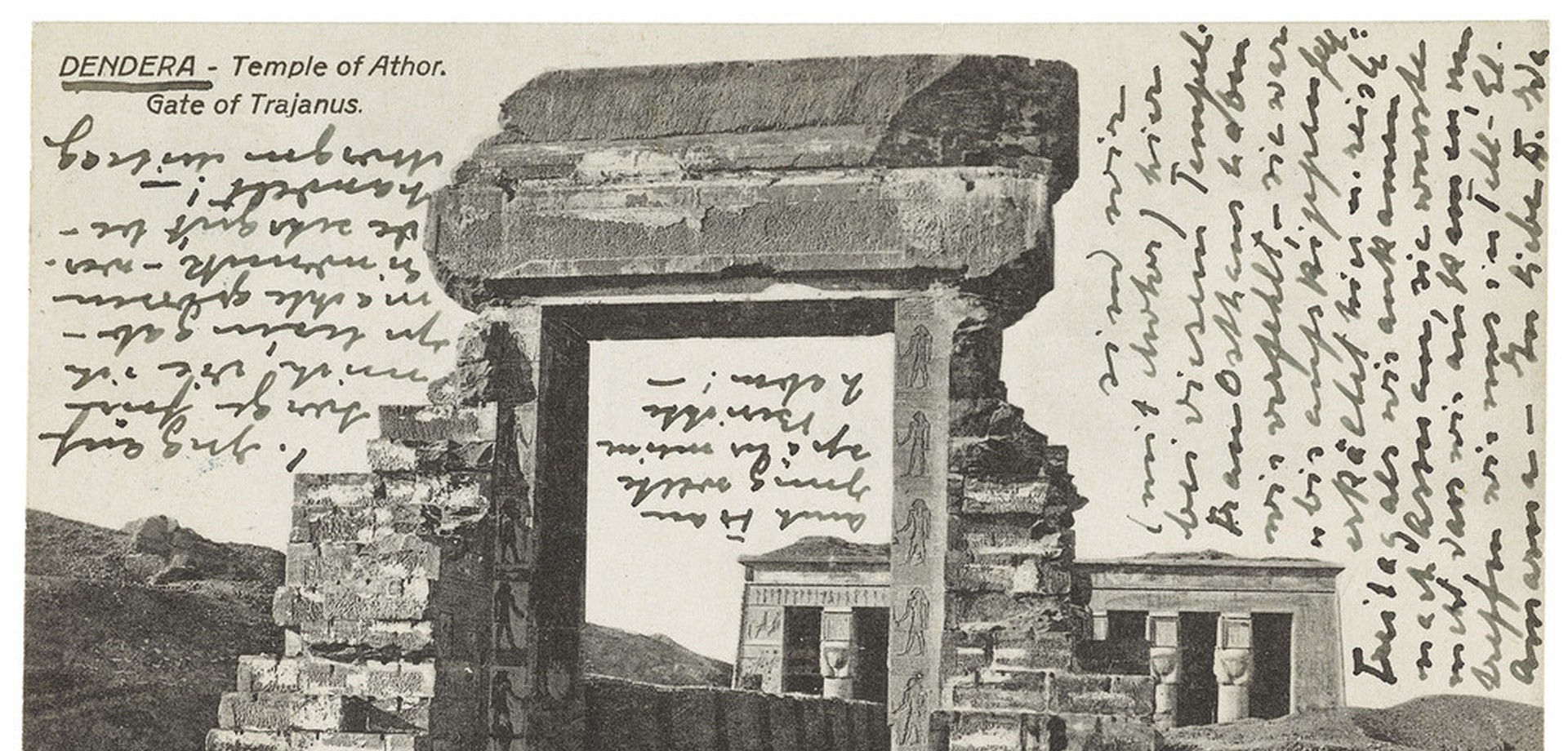
Artists on tours



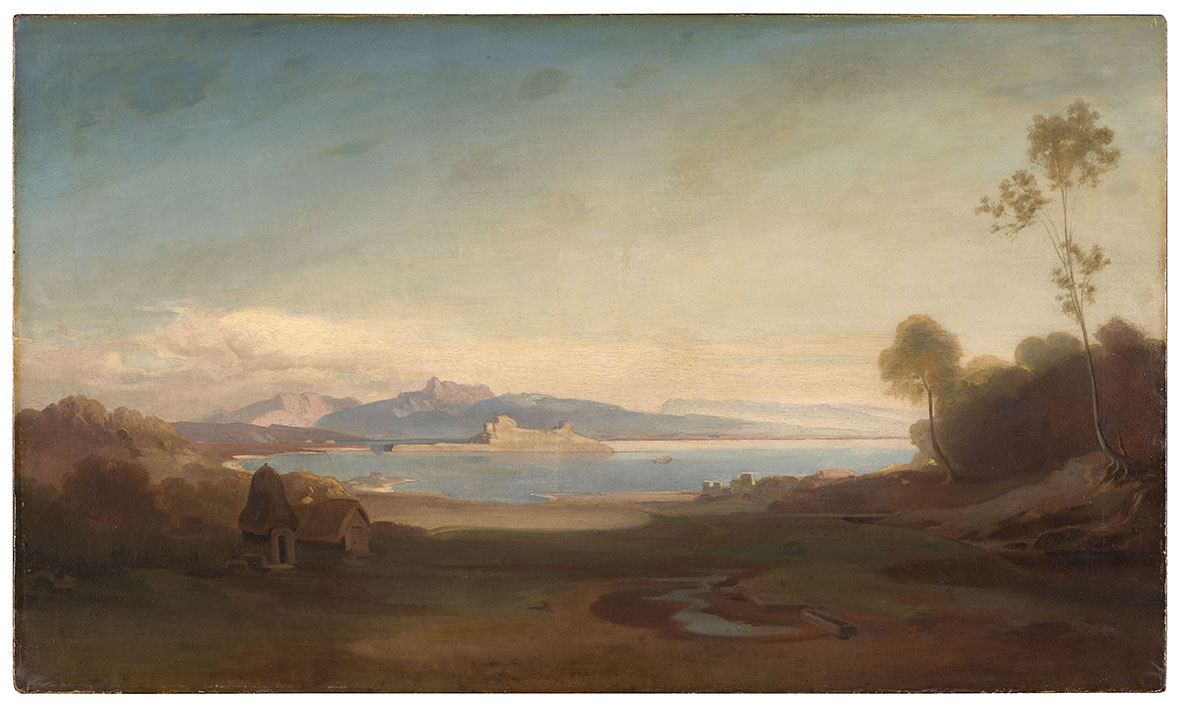
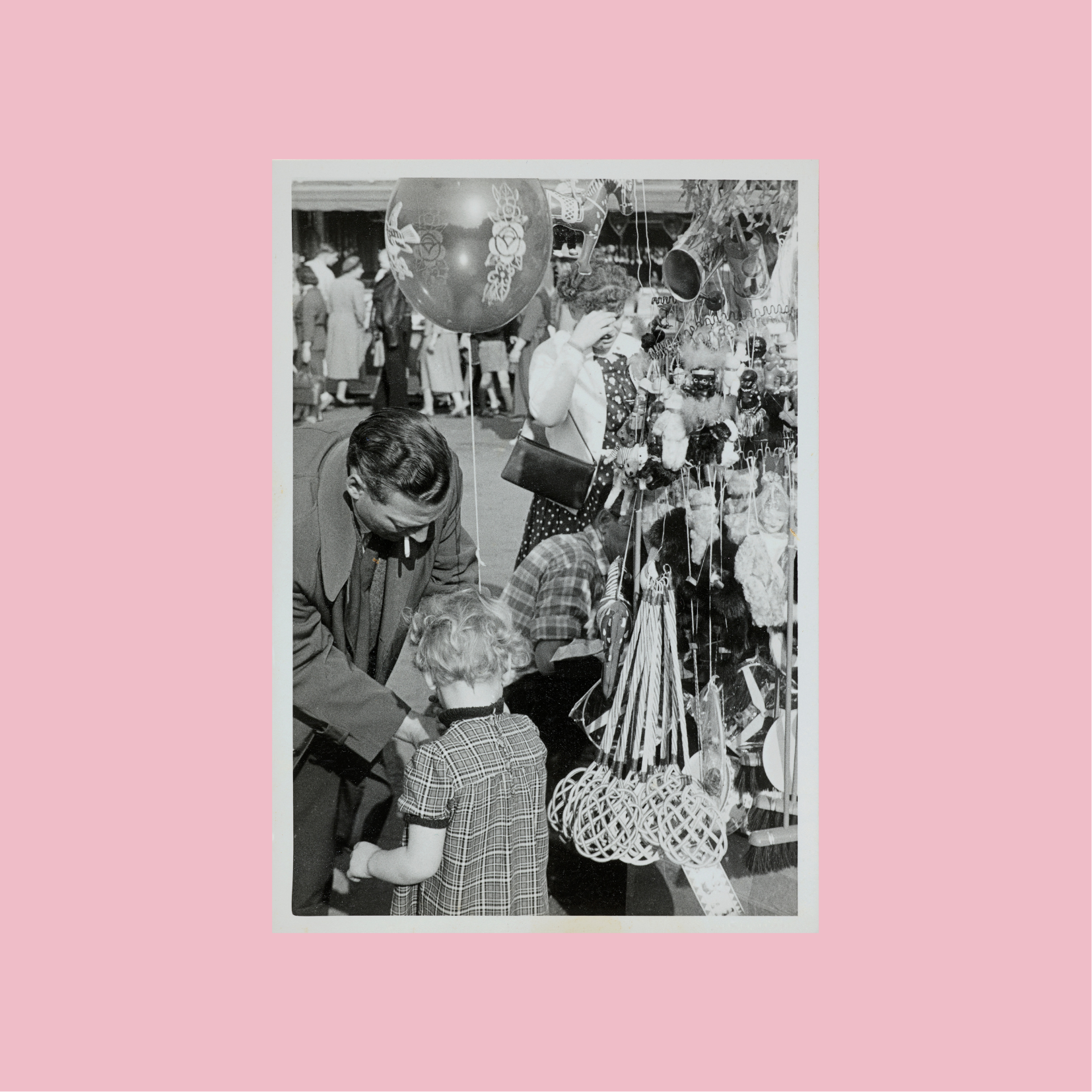
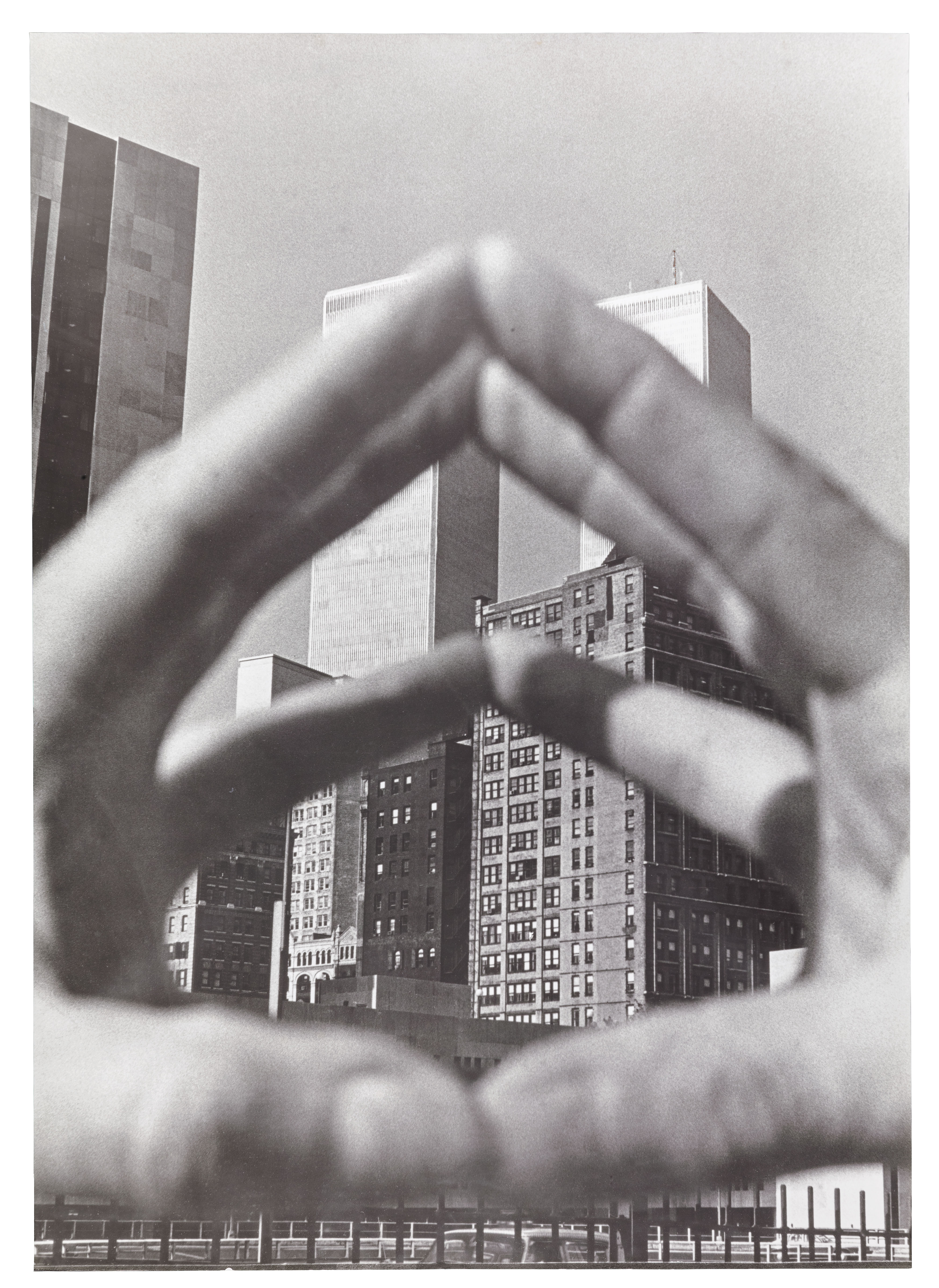
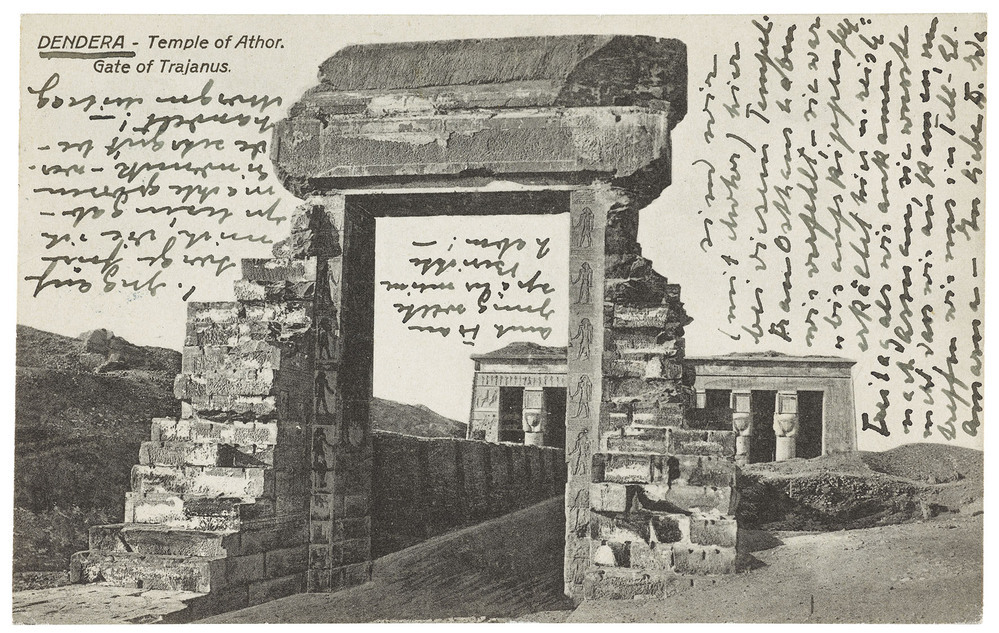
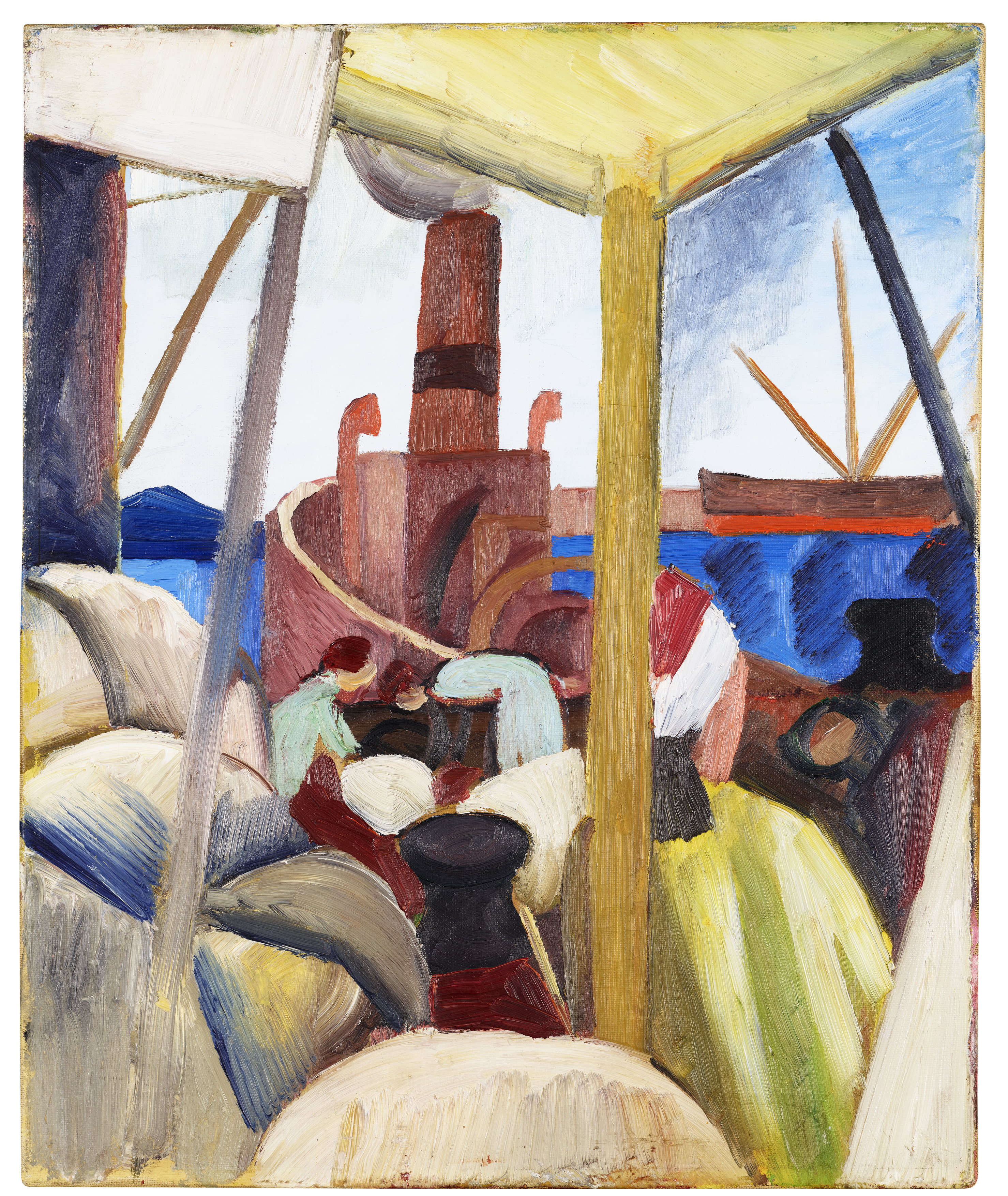
Artists travel to gain new inspiration.
They’re eager to discover and sketch new cities, landscapes and people. In past centuries, they toured Italy to study ancient statues and acquire new techniques. Some filled sketchbooks, others were in search of new colours or fabrics, or local legends. Travelling and discovering new settings and locations enabled them to enrich their perspective of the world. Artists on tour created a wealth of famous paintings and returned home with new ideas that they brought to life in their studios.
The German painter August Macke had long dreamed of taking a journey of discovery. In 1914 he was finally able to set off for North Africa, together with two friends, Paul and Louis. The picture presented here shows a harbour in Tunisia. In his travel journal, Macke described his fascination with the bright sunlight and vibrant colours in great detail. Back home, he created oil paintings based on the countless sketches and photographs he had brought from his Africa tour.
Insider tip: Kidditorial